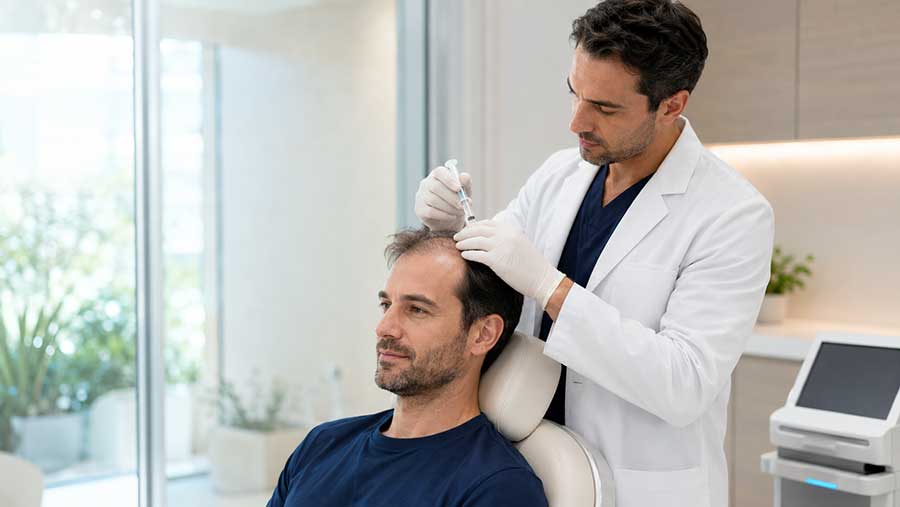
Hair thinning affects confidence in professional settings, social interactions, and personal self-image for many San Diego residents. Androgenetic alopecia affects approximately 50% of males and females, making hair loss a widespread concern that extends beyond aesthetics. Understanding what happens during a stem cell hair restoration consultation in San Diego helps reduce uncertainty before booking an appointment. The consultation process for stem cell therapy follows a structured assessment approach designed to determine candidacy, set realistic expectations, and create personalized treatment plans.
Key Takeaways
- A thorough consultation begins with identifying the specific cause of hair loss, as effective treatment depends on accurate diagnosis and individualized assessment
- Regenicel’s complimentary La Jolla consultation includes scalp evaluation, medical history review, and personalized treatment planning without pressure to commit immediately
- Most clients experience minimal downtime, with many returning to normal activities the same day or within 24 hours following treatment sessions
- Results develop progressively over months, with many clients noticing early improvements within 2-3 months and fuller evaluation occurring across 6-12 months
- Patients should ask questions about product types, protocols, evidence quality, and safety before proceeding with regenerative hair restoration therapy
A stem cell hair restoration consultation serves as an evaluation and planning visit rather than an immediate treatment commitment. Regenicel’s La Jolla location offers complimentary consultations that analyze individual hair loss patterns, scalp health, and treatment goals. Below, you’ll find what the appointment covers: history-taking, follicle assessment, candidacy determination, and a transparent discussion of timelines, recovery, and the safety questions worth asking. Knowing what happens during a hair restoration consult allows patients to prepare questions, understand the process, and make informed decisions about their hair restoration journey.
What Is Stem Cell Hair Restoration and Its Purpose?
Stem cell hair restoration uses regenerative approaches to support follicle health and address visible thinning. The treatment aims to revitalize dormant follicles, reduce shedding appearance, and promote fuller-looking hair through non-surgical methods.
The Non-Surgical Regenerative Hair Restoration
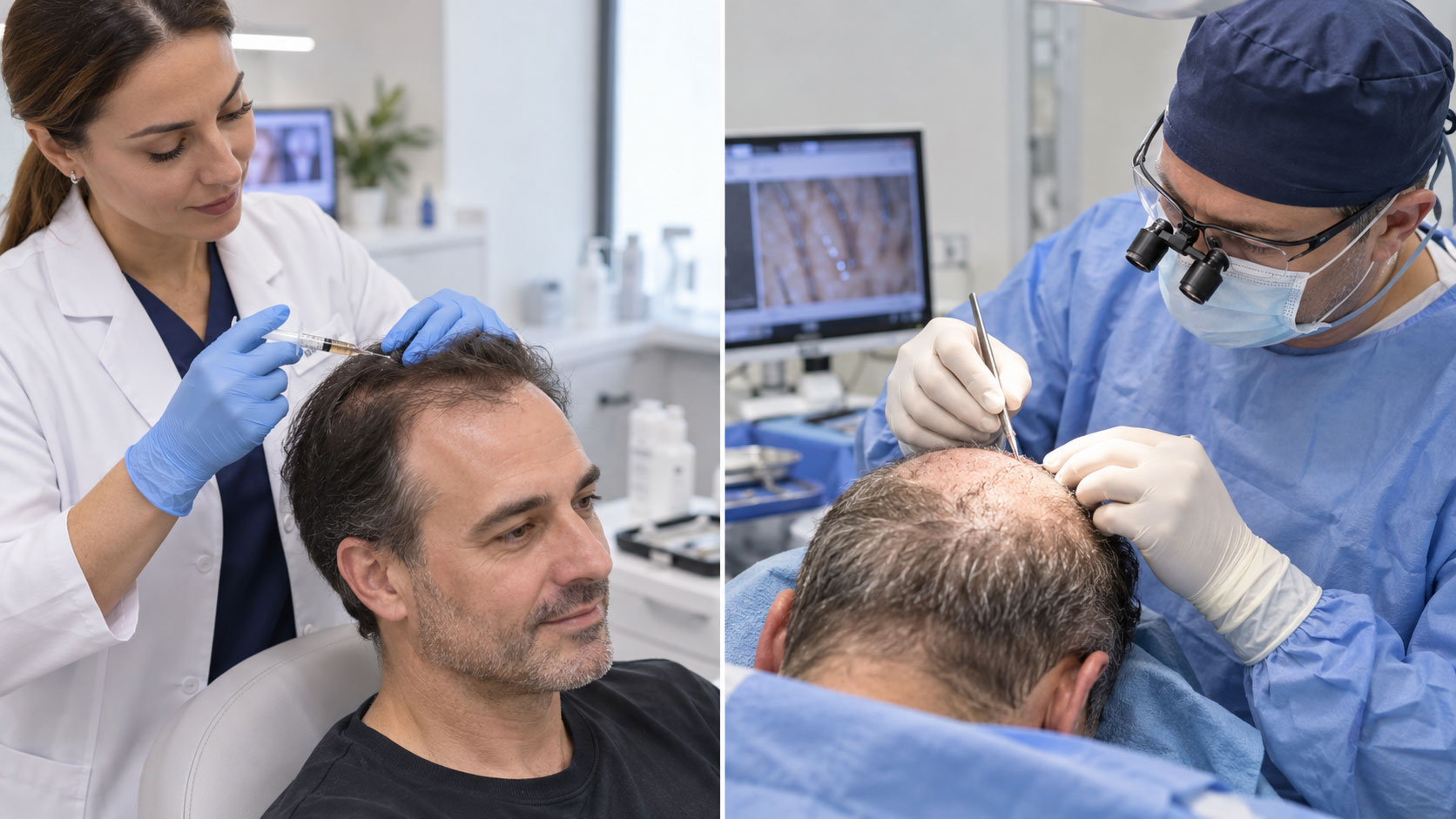
Stem cell restoration for hair renewal is described as a non-surgical, minimally invasive option intended to support dormant follicles and reduce thinning. Regenerative medicine products include stem cells, stromal vascular fraction, and exosomes that deliver growth factors to the scalp. The approach differs from surgical transplantation by focusing on biological support for existing follicles rather than relocating hair. Patients seeking to avoid surgical downtime often explore regenerative options as an alternative or complementary pathway.
How Stem Cell Therapy Supports Hair Follicles
Stem cell therapy delivers concentrated growth factors and signaling molecules directly to the scalp environment. These biological components may support follicle activity, improve scalp circulation, and create conditions favorable for hair growth. Exosome therapy represents one regenerative approach using extracellular vesicles derived from stem cells to deliver therapeutic signals. The goal is to shift dormant or weakening follicles toward a more active growth phase.
Who Typically Seeks This Treatment in San Diego and La Jolla
Male pattern baldness affects two-thirds of all men, with about 25% seeing first signs before age 21. By age 50, about half of men experience noticeable hair loss, and approximately 70% lose hair as they age. Women also experience hereditary pattern hair loss, with significant thinning often beginning during perimenopause or menopause. San Diego professionals, wellness-focused individuals, and younger confidence seekers frequently explore regenerative hair restoration to address early-to-moderate thinning without surgical intervention.
Why Is a Personalized Consultation Important Before Treatment?
A personalized consultation establishes accurate diagnosis and appropriate treatment direction before proceeding with regenerative therapy. Hair loss has many causes, and effective treatment starts with identifying the specific underlying factors.
The Role of Hair Loss Diagnosis in Effective Care
Effective treatment begins with finding the cause of hair loss rather than applying a one-size-fits-all solution. Different hair loss conditions require different approaches, and misdiagnosis can lead to disappointing outcomes or wasted time. A consultation allows providers to distinguish between hereditary thinning, temporary shedding, scalp inflammation, and other conditions. This diagnostic step ensures that stem cell therapy is appropriate for the patient’s specific situation.
Common Causes of Hair Thinning and Their Impact on Treatment
Hair loss has several distinct causes, and each one changes how a provider approaches regenerative treatment. Androgenetic alopecia is hereditary pattern hair loss affecting both males and females through genetic and hormonal pathways. The table below groups the causes a provider screens for during the consultation. Understanding the cause allows providers to recommend regenerative therapy alone or in combination with other interventions.
| Hair loss cause | What it usually looks like | How it changes treatment planning |
|---|---|---|
| Androgenetic alopecia | Gradual hairline recession, crown thinning, a widening part | The common candidate profile when follicles are miniaturized but active |
| Telogen effluvium (temporary shedding) | Diffuse shedding weeks after stress, illness, surgery, or childbirth | The provider looks for the trigger first, since this type often settles |
| Inflammatory or scarring scalp conditions | Redness, scaling, tenderness, or smooth patches with no visible follicle openings | Needs medical treatment before regenerative therapy |
| Nutritional deficiency or thyroid imbalance | Diffuse thinning alongside fatigue or other whole-body symptoms | Blood work is ordered before treatment planning |
| Medication-related hair loss | Shedding that begins after starting a new prescription | A medication review comes first, since timing changes the plan |
| Autoimmune hair loss | Sudden round or patchy bald areas with otherwise healthy scalp | Medical management is usually the first step |
What Makes Regenicel’s Consultation Unique and Personalized
Regenicel’s personalized care approach positions the consultation as an evaluation and expectation-setting visit rather than a sales-driven appointment. A consultation is primarily an assessment and planning conversation, not a pressure point to commit immediately. The provider analyzes individual scalp health, hair loss pattern, medical history, and aesthetic goals before recommending treatment. This individualized approach helps ensure candidacy, set realistic expectations, and create a treatment plan aligned with the patient’s lifestyle.
What Happens Before You Book Your Consultation?
Preparing for your consultation involves self-assessment and gathering relevant information about your hair loss history. Understanding whether regenerative therapy aligns with your goals helps you make the most of the appointment.
Deciding If Stem Cell Hair Restoration Is Right for You
Consider whether your hair loss pattern, timeline, and goals match regenerative treatment’s capabilities and limitations. Non-surgical options work most effectively for early-to-moderate thinning with active follicles rather than completely bald areas. Patients seeking natural-looking improvement without surgical downtime often find regenerative approaches appealing for early intervention. Those with sudden or patchy hair loss may need medical evaluation before pursuing aesthetic regenerative treatments.
Common Patient Concerns and Questions Prior to Appointment
Patients commonly worry about treatment pain, downtime, visible recovery signs, and realistic result expectations before booking. Questions about safety, evidence quality, cost, and number of sessions frequently arise during pre-consultation research. Concerns about whether hair loss is too advanced or too early for treatment often prevent patients from scheduling. Understanding that the consultation itself provides answers to these questions can reduce hesitation about booking the appointment.
Preparing for Your Complimentary Consultation in La Jolla
Bring a mental or written timeline of when thinning began, whether it appeared gradually or suddenly, and what changes you’ve noticed. Note any medications, recent health changes, stress events, hormonal shifts, or prior hair treatments you’ve tried. Arriving prepared allows the provider to conduct a more thorough and productive assessment during the limited appointment time. You can also contact the La Jolla clinic ahead of the visit to confirm what to bring.
What Does the Consultation Process Involve?
The consultation follows a structured assessment process covering hair loss history, scalp examination, and medical background review. This comprehensive evaluation determines candidacy and informs personalized treatment planning.
| Consultation stage | What the provider does | What to bring |
|---|---|---|
| History and timeline | Asks when thinning began, how fast it progressed, and family history | Approximate dates, older photos, and whether shedding is ongoing |
| Scalp and follicle exam | Reviews hairline, crown, and part width; checks for inflammation or scarring | Hair worn in its usual style, without heavy styling product |
| Medical and lifestyle review | Covers medications, stress, hormones, nutrition, and prior treatments | A current medication list and any recent lab results |
| Candidacy discussion | Explains whether your follicles can respond to regenerative signals | Your goal: added density, maintenance, or delaying surgery |
| Plan and timeline | Outlines session count, spacing, and review points | Questions about product type, evidence, cost, and follow-up |
Reviewing Your Hair Loss History and Timeline
Dermatologists gather information and ask how long hair loss has been happening to understand progression patterns. The consultation includes hair-loss timeline questions: when thinning began, whether it is gradual or sudden, and whether shedding is ongoing. This historical context helps distinguish hereditary pattern loss from temporary or medically driven shedding.
Scalp and Follicle Health Assessment
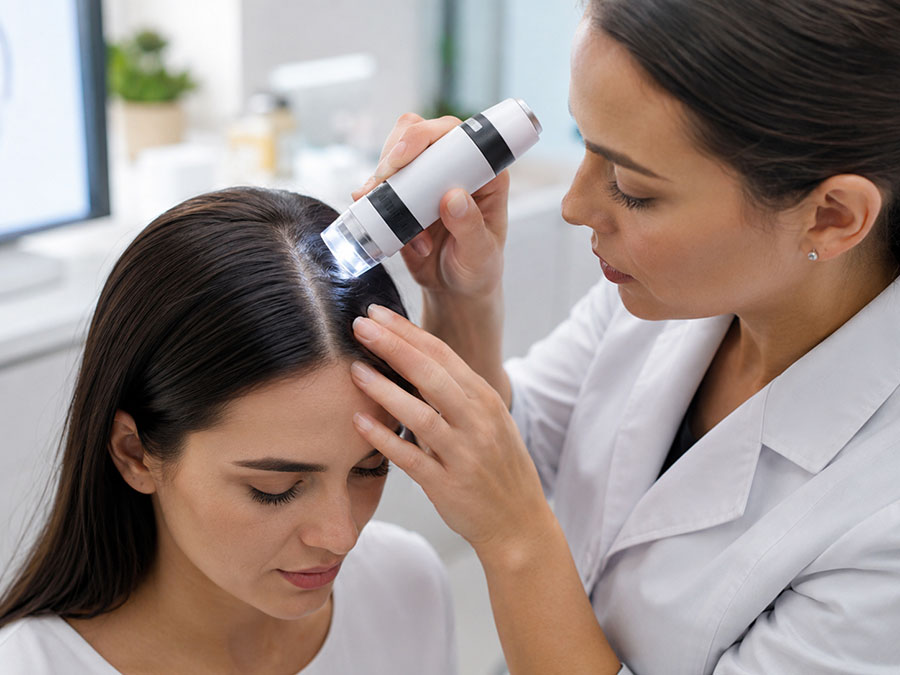
Providers examine the scalp, nails, and other affected areas to identify signs of inflammation, scarring, or underlying conditions. The consultation may assess hairline recession, crown thinning, part width, diffuse thinning, patchy loss, and eyebrow or beard concerns. Scalp and follicle-health discussion includes visual examination, miniaturization assessment, and identification of active versus dormant follicle zones.
Discussing Medical, Lifestyle, and Prior Treatment Factors
The consultation includes a medical and lifestyle history review to identify contributing factors such as thyroid imbalance or iron deficiency. Blood tests or scalp biopsy may be ordered if disease, deficiency, hormone imbalance, or infection is suspected. This comprehensive review ensures that regenerative therapy addresses the right problem and that underlying medical issues receive appropriate attention.
How Is Your Personalized Treatment Plan Developed?
Treatment planning translates assessment findings into a customized approach built around your hair loss cause and goals. Not every patient is a candidate, and the plan reflects individualized candidacy and realistic outcome expectations.
Determining Candidacy for Stem Cell and Exosome Therapy
The consultation determines candidacy, as not every patient is suitable for regenerative hair restoration. Ideal candidates typically have early-to-moderate thinning with living follicles that are miniaturized but not completely inactive. Patients with advanced baldness, scarring alopecia, or active scalp disease may require alternative or preparatory interventions before regenerative therapy.
Planning Treatment Sessions and Scheduling
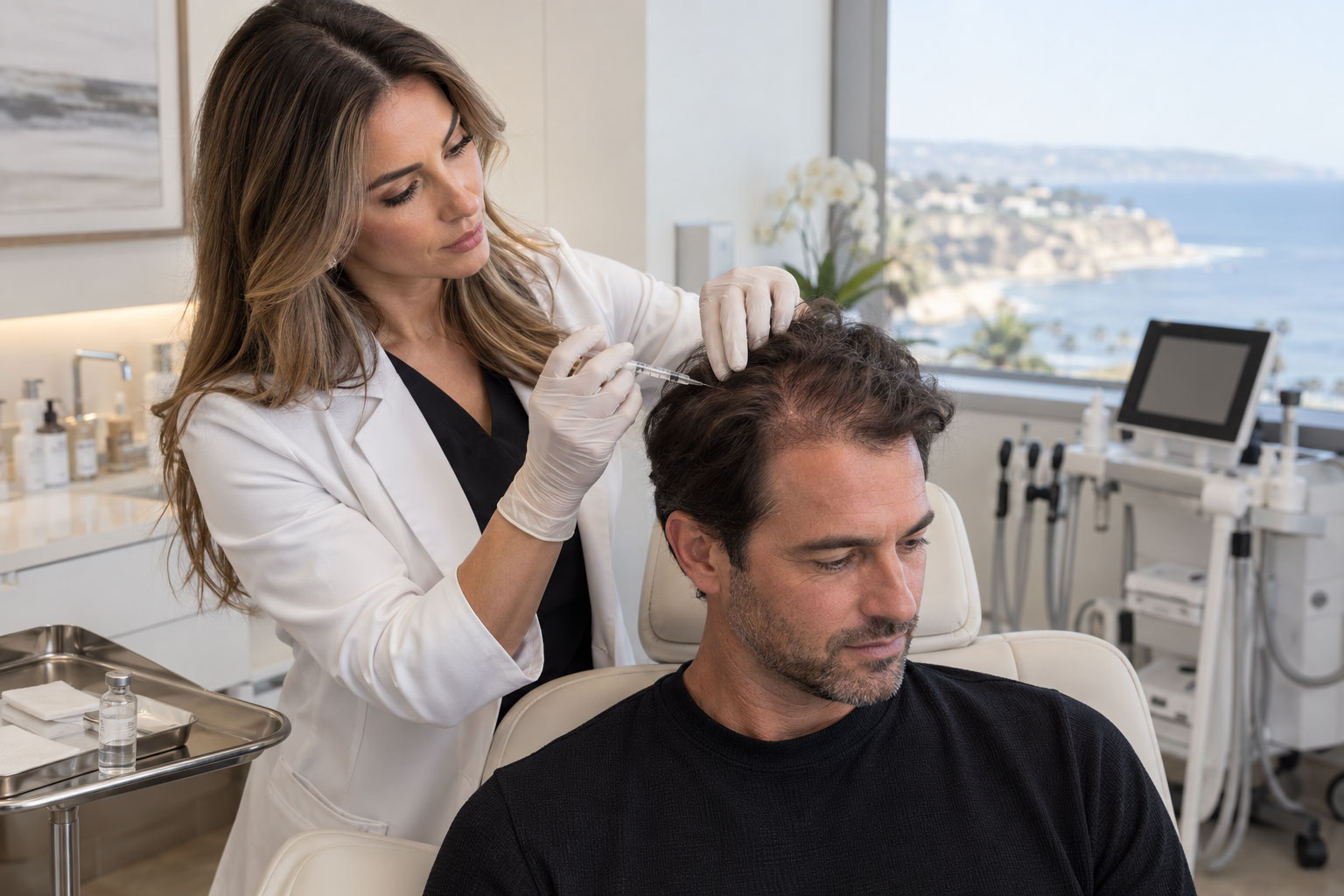
Most clients require a series of three treatments, typically spaced about one month apart, according to hair restoration FAQs. The plan may include the number and spacing of sessions based on individual response and hair loss severity. A 2023 trial used 30G intradermal injections spaced about 1 cm apart across the treatment area. Session frequency and total treatment duration are customized to balance convenience, budget, and biological hair growth cycle timing.
Setting Realistic Recovery and Results Expectations
The plan explains what to expect during the treatment appointment, including injection technique, comfort measures, and session duration. The plan addresses when to evaluate early changes versus longer-term improvement, as results are progressive rather than instant. Patient goals may include increasing density, improving hairline confidence, maintaining current hair, avoiding surgery, or minimizing downtime, all of which inform expectation-setting.
When Will You See Results and What Is the Recovery Like?
Results develop gradually as the hair growth cycle responds to regenerative signals. Understanding timelines helps manage expectations and recognize early progress without premature disappointment.
The Hair Growth Cycle and Results Timeline
Regenicel says visible improvements may appear in 2-3 months for many clients as follicles shift into active growth. Hair growth happens in cycles, so results are progressive rather than instant. Longer treatment duration was associated with greater improvement than shorter duration in clinical studies (p=0.02).
| Time after the first session | What many clients report |
|---|---|
| Weeks 1 to 4 | Mild redness or tenderness settles; no visible change in hair yet |
| Months 2 to 3 | Reduced shedding and early texture change for many clients |
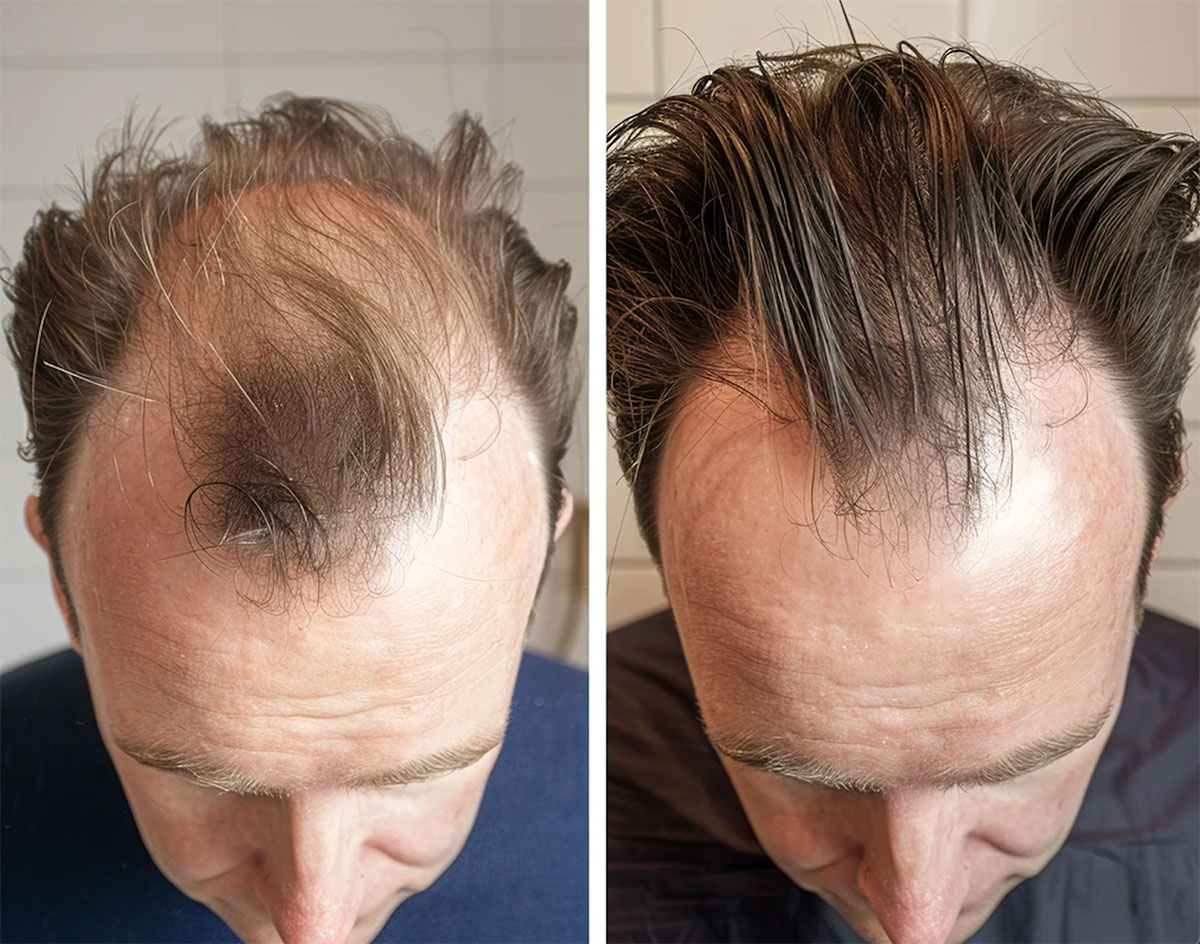
| Months 4 to 6 | Density differences begin to show in side-by-side photographs |
| Months 6 to 9 | Average results become clearer at the usual review point |
| Months 6 to 12 | Continued improvement, final evaluation, and a maintenance discussion |
Results vary by hair loss cause, follicle activity, baseline density, and health factors. The table describes a common pattern, not a promised outcome.
Typical Recovery Experience and Downtime Expectations
Many clients return to normal activities the same day or within 24 hours following their regenerative hair treatment session. Possible mild redness, swelling, or tenderness at the injection site may last from hours to a few days. Comfort measures are used during treatments, including topical numbing agents and gentle injection techniques to minimize discomfort.
Managing Early Changes Versus Long-Term Progress
Early changes may include reduced shedding, improved hair texture, or subtle density increases before significant cosmetic change becomes visible. Photographic documentation during the consultation and follow-up visits helps track progress objectively across the treatment timeline.
What Safety and Evidence Questions Should You Ask?
Asking informed questions about product types, protocols, and evidence quality helps you make confident treatment decisions. Regenerative therapies vary in formulation, preparation, and supporting research, requiring careful evaluation.
Product Types, Protocols, and Provider Credentials
Protocols vary widely, and evidence quality varies for regenerative hair treatments across different product types and preparation methods. Evidence for regenerative approaches is still evolving, with some methods showing promising density improvements in clinical trials. A 2023 systematic review concluded more standardized, higher-quality research is needed for stromal vascular fraction (SVF) applications. Ask what specific product is used, how it is prepared, whether it is autologous or allogeneic, and what credentials the treating provider holds.
Knowing Potential Side Effects and Follow-Up Procedures
Possible mild redness, swelling, or tenderness at the injection site represent the most commonly reported side effects. A 2023 systematic review of SVF found no serious adverse events were reported in included studies of hair restoration. A 2020 adipose-derived stem cell conditioned medium study found no adverse effects associated with ADSC-CM during the trial period. However, individual responses vary, and patients should ask about emergency protocols, follow-up monitoring, and how to report unexpected reactions.
Navigating FDA Considerations and Regenerative Therapy Evidence
Not every regenerative product or claim is FDA-approved for every marketed use, requiring patient awareness of regulatory status. Regenerative medicine products marketed for broad diseases or conditions require FDA licensure or approval under biologics regulations.
FDA has received reports of serious harms from some unapproved regenerative products, emphasizing the importance of choosing experienced providers. A 2024 meta-analysis pooled data from eight trials (n=221) and found increased hair density (MD 14.93; 95% CI 10.20-19.67) and thickness (MD 18.67 μm; 95% CI 2.75-34.59) with stem-cell-derived conditioned medium, though evidence quality and standardization remain areas of ongoing research.
The Stem Cell Hair Restoration Consultation Experience in San Diego Explained
A stem cell hair restoration consultation in San Diego provides the foundation for informed, personalized treatment decisions. The appointment combines diagnostic assessment, candidacy evaluation, treatment planning, and expectation-setting in a pressure-free environment. Patient reviews and the treatment results gallery offer additional perspectives on real client experiences throughout the consultation and treatment journey.
Regenicel Aesthetics offers complimentary consultations at their La Jolla Wellness Center location for San Diego residents exploring non-surgical hair restoration. Their personalized approach prioritizes accurate assessment, realistic timeline communication, and individualized treatment planning matched to each patient’s unique hair loss pattern.
Book Your Stem Cell Hair Restoration Consultation with Regenicel Aesthetics
Regenicel Aesthetics runs complimentary consultations at the La Jolla Wellness Center, 8950 Villa La Jolla Drive, Suite B115, La Jolla, CA 92037, a short drive from central San Diego. The visit is an assessment, not a sales appointment. A specialist reviews your scalp, your history, and your goals, then tells you plainly whether stem cell restoration, exosome therapy, or eyebrow and beard treatment fits your situation, and whether it does not.
Call +1 858-758-1573 or request your free consultation and treatment quote online to book a time. Bring your questions about product type, protocol, and evidence quality. You leave with a written plan, a realistic timeline, and no obligation to schedule treatment.
Frequently Asked Questions
Regenicel Aesthetics offers the consultation at no charge. The visit covers scalp assessment, medical history review, candidacy discussion, and a written treatment plan. Treatment pricing depends on the number of sessions and the product used, and the specialist reviews those figures with you during the appointment. You are not asked to commit to treatment on the day of the consultation.
Most consultations run between 30 and 60 minutes. That time covers history questions, a scalp and follicle examination, a candidacy discussion, and space for your own questions. Arriving with a timeline of when thinning started and a list of current medications shortens the history portion and leaves more room for planning.
That depends on your assessment results and the clinic schedule. Some patients are cleared and treated the same day, while others need lab work, a medication review, or treatment for a scalp condition first. The appointment is structured as an evaluation, so nothing is scheduled until candidacy is confirmed. Ask about same-day availability when you book.
No referral is required. You can contact the clinic directly and schedule an assessment. If the examination points to an underlying medical cause such as thyroid imbalance, iron deficiency, or an autoimmune condition, the provider may recommend seeing your physician before regenerative treatment begins. That step protects your results rather than delaying them without reason.
A transplant consultation focuses on donor supply, graft counts, and surgical planning. A regenerative consultation focuses on whether your existing follicles are active enough to respond to growth signals. Candidates for regenerative treatment usually have early-to-moderate thinning with miniaturized but living follicles, while transplant candidates often have areas where follicles are no longer present. The consultation clarifies which stage you are in.