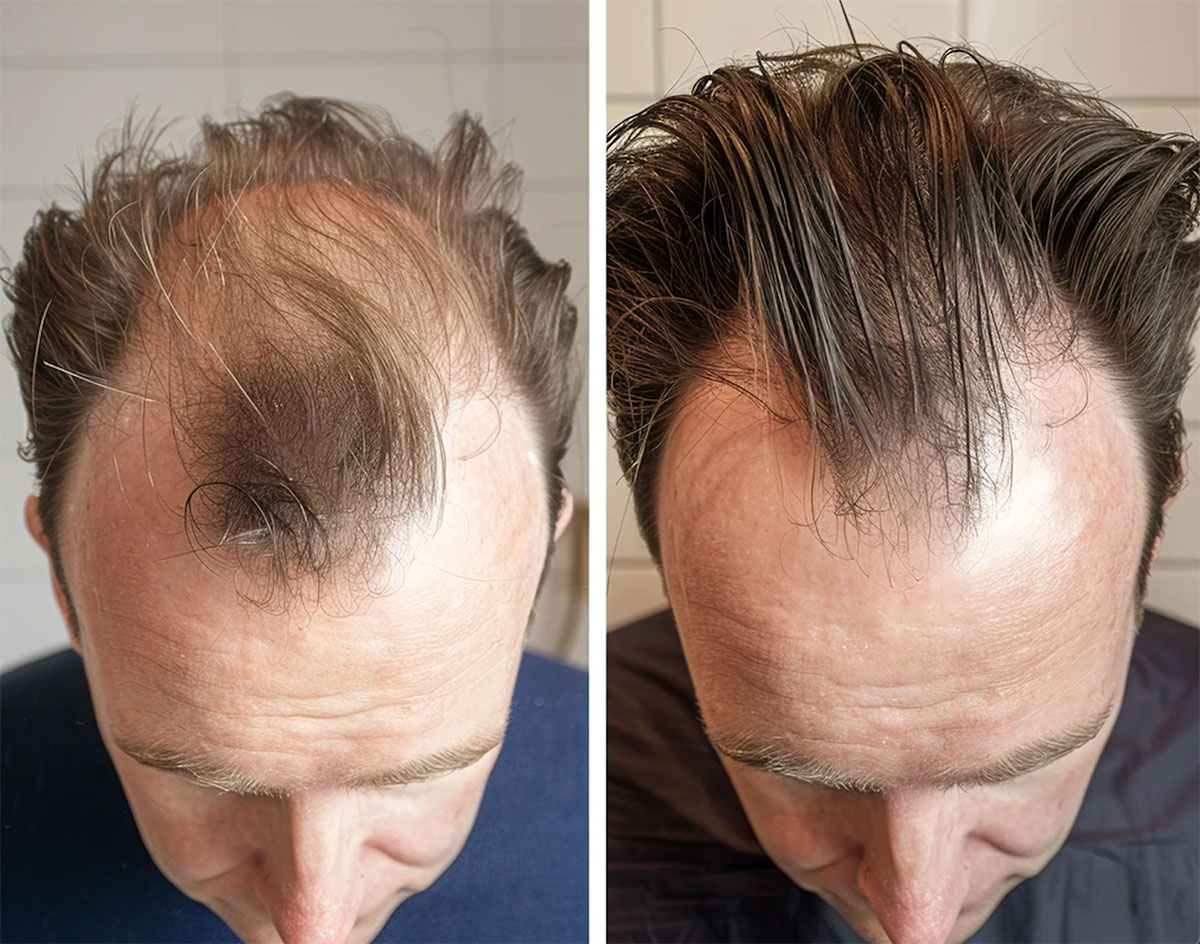
Before-and-after photos of hair restoration can be emotionally compelling, yet they often raise more questions than they answer without proper context. Lighting changes, styling differences, camera distance, and product use can make density appear better or worse, which is why standardized photo conditions and clinical assessment matter more than dramatic visual transformations. Judging stem cell hair restoration before-and-after results fairly means examining timelines, recovery experiences, diagnostic factors, and the quality of the photo evidence a stem cell restoration provider publishes.
Key Takeaways
- Stem cell hair restoration before-and-after results develop gradually, with early changes in a few months, average expected results at 6–9 months, and fuller assessment around 12 months
- Reliable before-and-after photo evidence uses the same lighting, angle, distance, hair length, and date-stamped intervals, not isolated social-media images
- Most patients complete a series of three treatments spaced about one month apart, followed by periodic maintenance sessions
- Recovery is typically minimal, with possible mild redness, swelling, or tenderness lasting hours to a few days
- An accurate diagnosis, hair-loss stage, baseline density, and maintenance adherence shape outcomes more than any single treatment session
Regenerative hair restoration is a gradual process shaped by individual biology, hair-loss cause, treatment protocol, and maintenance commitment. Visible changes may begin within a few months, but fuller assessment typically occurs around 6–12 months, mirroring the slow pace of natural hair-growth cycles. Below, you’ll find what to expect at each stage, how to evaluate case studies stem cell hair loss clinics share, what recovery usually involves, and which questions help confirm candidacy and safety before treatment begins.
What Is Stem Cell Hair Restoration and How Does It Work?
Definition and Purpose of Stem Cell Hair Restoration
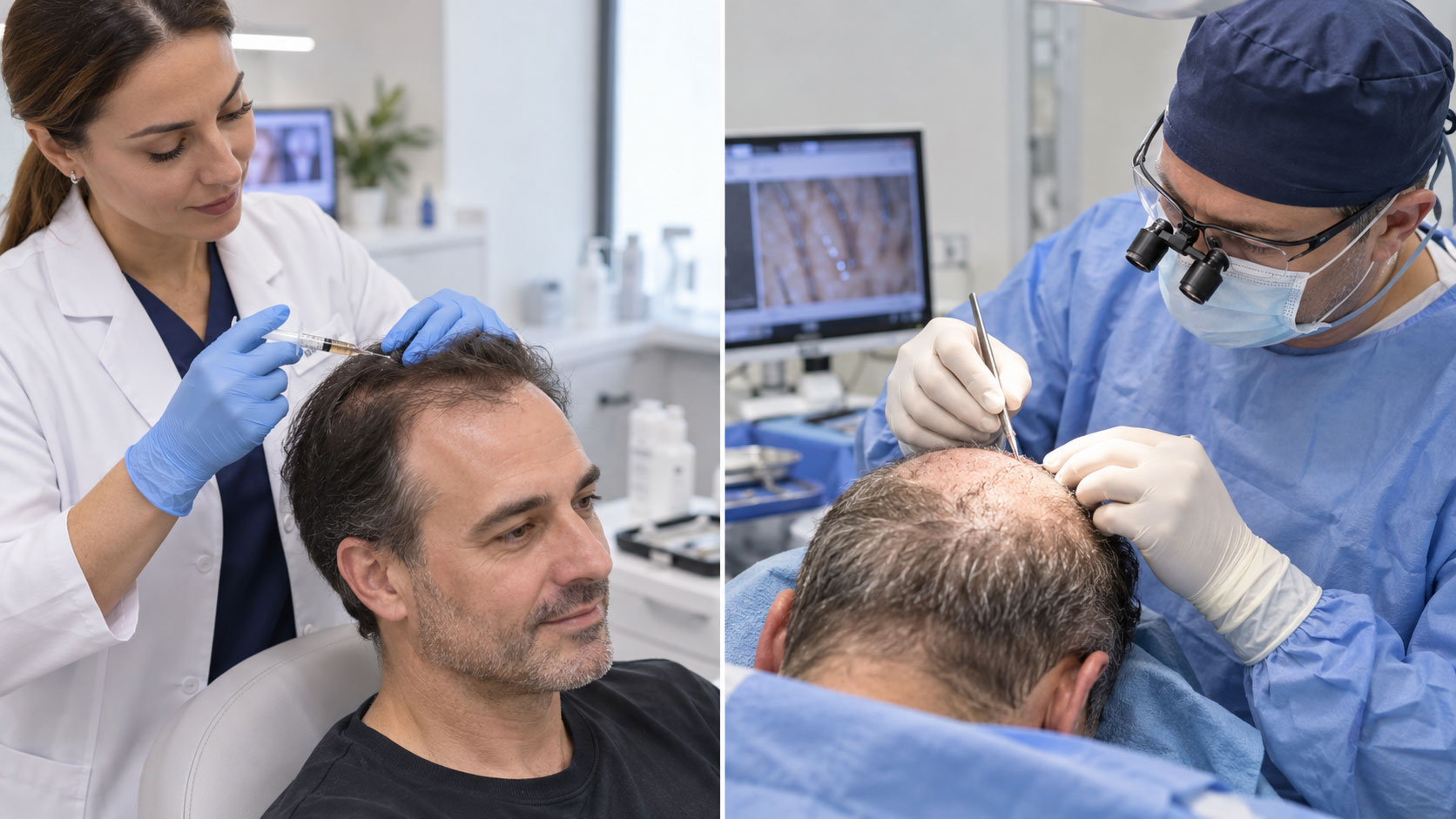
Stem cell Biologics hair restoration is a non-surgical regenerative treatment used to address thinning hair and support natural regrowth. The treatment aims to revitalize dormant follicles, support hair density and strand strength, and avoid surgical procedures or prolonged recovery periods. Because it works with the hair cycle rather than around it, change appears over months rather than days.
How Regenerative Treatments Support Natural Hair Growth
Regenerative approaches introduce biological signals intended to stimulate follicle activity and support scalp health. These treatments may help support the body’s own repair mechanisms rather than transplanting follicles or relying solely on pharmaceutical intervention. Candidacy is assessed individually, and common questions about how the treatment works are answered on the FAQ page.
Differences from Surgical and Traditional Hair-Loss Treatments
ISHRS reported 1,592,588 nonsurgical hair-loss patients in 2021, a 14% increase from 2019, while surgical hair-restoration patients totaled 628,604, an 8% decrease over the same period. The three most commonly prescribed nonsurgical treatments in 2021 were oral finasteride, topical minoxidil, and PRP. Regenerative therapies differ from surgical hair transplant by avoiding incisions and donor-site harvesting, and they differ from medications by focusing on cellular signaling rather than hormone modulation or topical stimulation alone. The table below sets out how the main options compare.
| Approach | How it works | Downtime | Typical time to visible change |
|---|---|---|---|
| Regenerative treatment (stem cell, exosome) | Biological signals intended to support dormant follicle activity | Little to none; mild redness possible | 3–6 months, fuller assessment at 6–12 months |
| Surgical hair transplant | Relocates follicles from a donor area | Days to weeks; incisions and donor site | 6–12 months |
| Oral finasteride | Hormone modulation; prescription only | None | 3–6 months |
| Topical minoxidil | Topical stimulation; daily application | None | At least 6 months |
| PRP | Platelet concentrate injected into the scalp | Little to none | 3–6 months |
Why Does Hair Loss Diagnosis Matter Before Treatment?
Common Types and Causes of Hair Loss
Androgenetic alopecia is a common cause of hair loss, characterized by gradual onset after puberty and often a family history. Other causes include telogen effluvium, alopecia areata, scarring alopecia, thyroid or iron deficiencies, medication-related shedding, and mixed causes. The cause matters because each type responds differently to regenerative treatment, which is why two patients on the same protocol can produce very different photo sets.
| Hair-loss type | Typical pattern | What it means for expected results |
|---|---|---|
| Early pattern hair loss | Gradual thinning at the crown or hairline | Often responds while follicles remain active |
| Late-stage miniaturization | Long-standing thinning with very fine hair | More limited change; expectations should stay conservative |
| Telogen effluvium | Diffuse shedding after illness, stress, or childbirth | Often shows better regrowth once the trigger resolves |
| Alopecia areata | Patchy loss with an autoimmune basis | Requires medical diagnosis first; candidacy varies |
| Scarring alopecia | Follicle loss accompanied by scarring | Regrowth potential is limited; referral may be appropriate |
| Thyroid or nutritional causes | Diffuse thinning with supporting lab findings | Correcting the underlying issue comes first |
Diagnostic Methods and Their Role in Treatment Planning
AAD notes that diagnosis may include questions about medical history, examination of the scalp, nails, and body hair, blood tests, pull tests, scalp biopsy, or light microscopy. Biopsy is usually unnecessary unless the diagnosis is unclear or scarring is suspected. A documented diagnosis also gives the patient and the provider a shared baseline to measure later photos against. The specialists at Regenicel Aesthetics treat diagnosis as the step that comes before any treatment recommendation.
How Hair Loss Stage and Cause Affect Expected Outcomes
Realistic outcomes depend on the underlying cause, stage of progression, age, baseline density, and adherence to maintenance protocols. Before-and-after expectations vary significantly because telogen effluvium often shows better regrowth than advanced scarring alopecia, while early-stage pattern loss responds differently than late-stage miniaturization. Setting the expectation at the diagnostic stage prevents disappointment at the twelve-month review.
What Does a Typical Stem Cell Hair Restoration Patient Journey Look Like?
Initial Consultation and Scalp Assessment
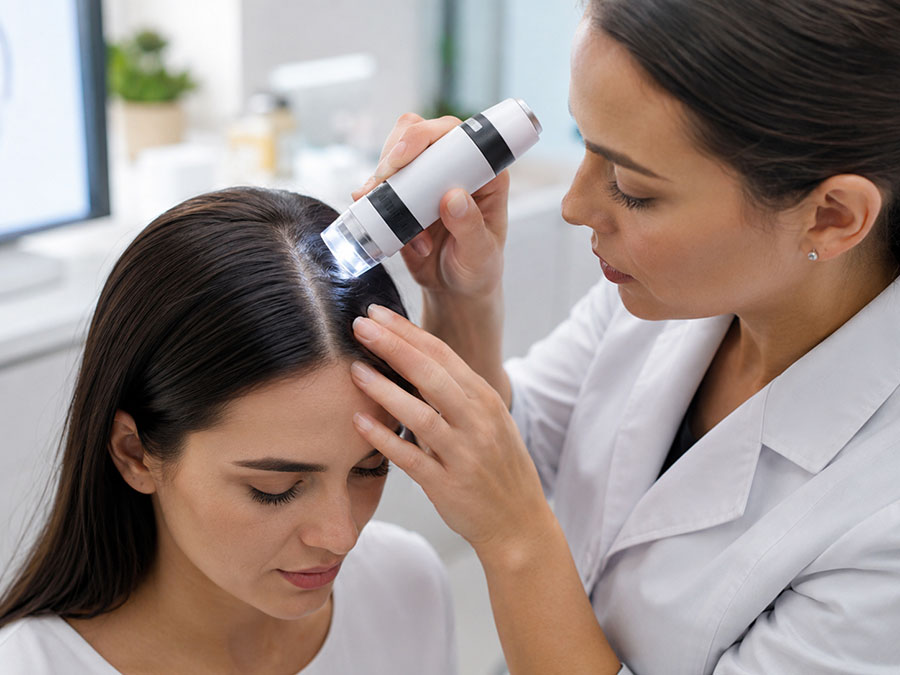
Patients typically come in after noticing thinning, increased shedding, early-to-moderate hair loss, a decline in confidence, or frustration with over-the-counter options. The consultation covers scalp and hair assessment, goal discussion, candidacy evaluation, medical history review, expectation setting, and whether regenerative treatment is suitable. Patients who want to start there can book a consultation and bring any prior lab work or dermatology notes with them.
Treatment Protocols and Session Frequency
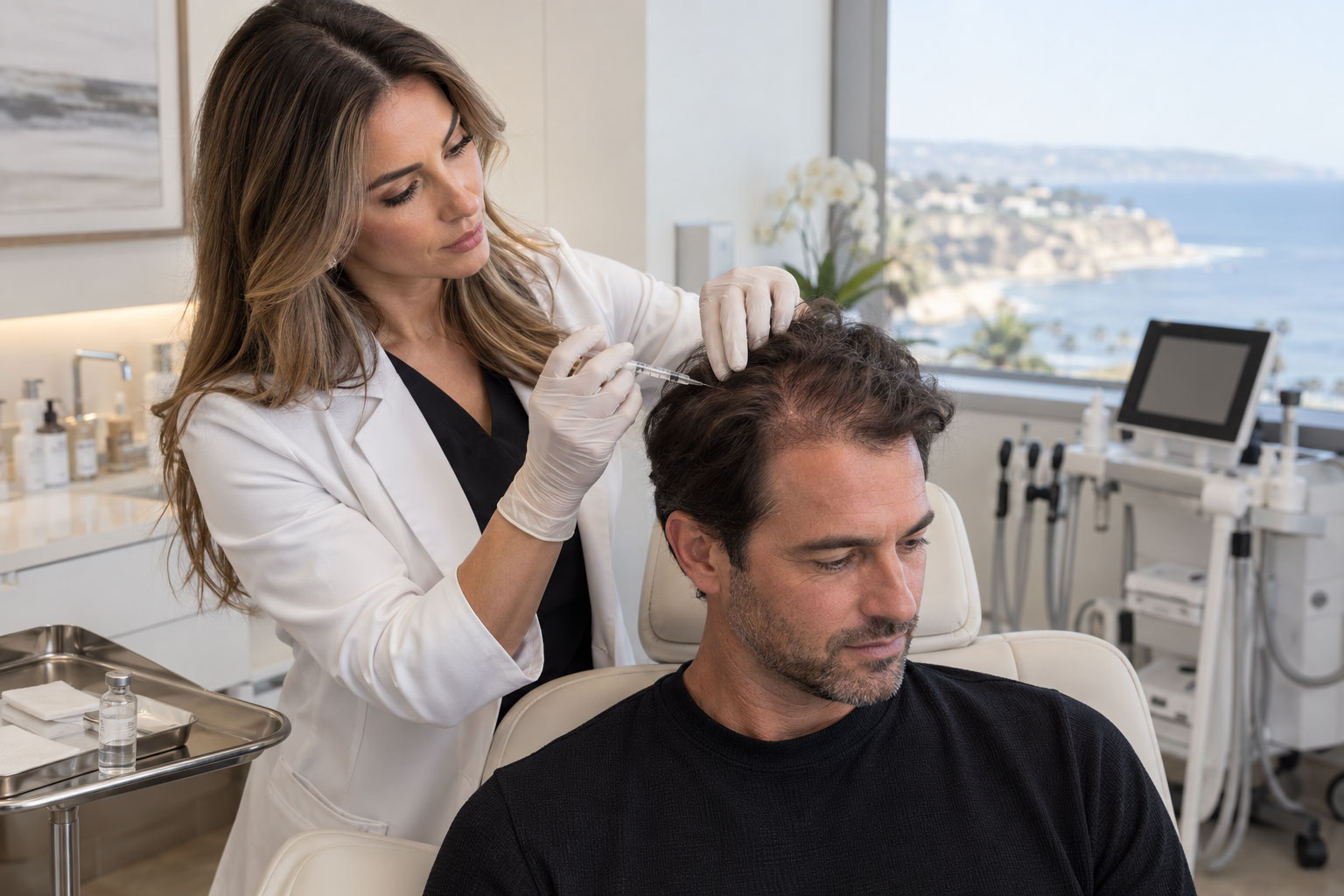
Most patients require a series of three treatments spaced about one month apart to support optimal results. PRP protocol recommendations often include monthly sessions for the first three months, then maintenance sessions every three months for the first year. Treatment plans are personalized based on scalp condition, hair-loss pattern, and individual response to the initial sessions.
Early Response and Recovery Expectations
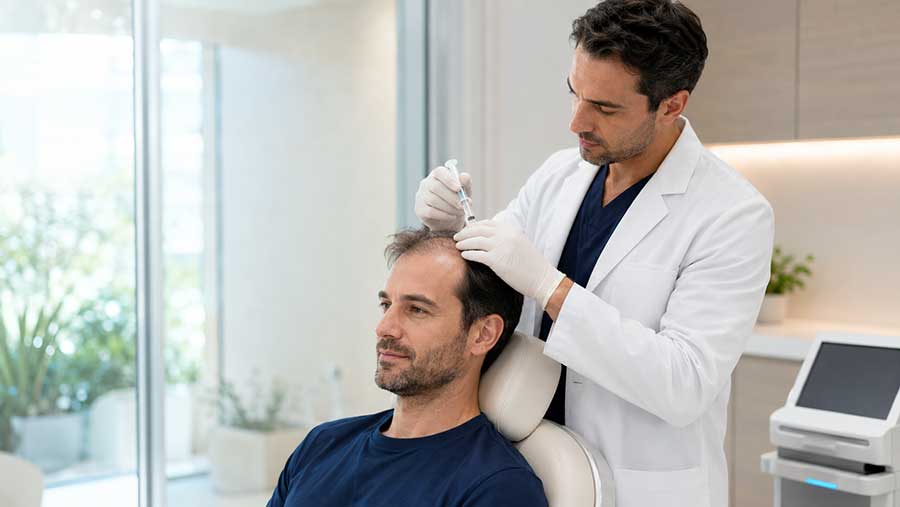
Recovery typically involves little to no downtime, with mild redness, swelling, or tenderness that usually subsides within hours to a few days. Quality improvements and shedding-pattern changes may appear within a few months, while visible density changes develop gradually over the natural hair-growth cycle. Judging the outcome at week six is premature for almost everyone.
How Should Before-and-After Photos Be Evaluated for Accuracy?
Criteria for Reliable Photo Evidence
Strong photo evidence uses the same lighting conditions, camera angle and distance, hair length and style, wet or dry state, and part line or hairline framing, with no concealers or fibers and date-stamped intervals. Photos meeting these criteria provide the most accurate basis for assessing realistic expectations stem cell therapy can support. When reviewing a before-and-after gallery, check whether those conditions are documented rather than assumed.
| Evidence you can rely on | Evidence worth questioning |
|---|---|
| Same lighting, camera angle, and distance | Different rooms, flash settings, or phone angles |
| Same hair length, style, and part line | A fresh cut or restyle between the two images |
| Same wet or dry state in both images | Wet hair before, dry and styled after |
| No fibers, concealers, or powders | Visible product, shading, or spray coverage |
| Date-stamped intervals tied to a documented protocol | No dates and no stated timeline |
| A full series, including modest responders | A single dramatic pair pulled from social media |
Common Pitfalls in Photo Comparison
Weak photo evidence includes isolated social-media images or dramatic photos without baseline documentation or timeline context. Changes in lighting, styling, product application, camera distance, or hair length can make density appear better or worse, which leads to misinterpretation of actual results. Marketing images selected for impact rarely represent the average case.
Additional Clinical Tools Beyond Photos
Stronger evidence than photos alone includes clinical examination, trichoscopy or scalp imaging, and hair-count or hair-caliber measures where available. These tools offer objective data that complement visual documentation and track progress more reliably. Patient reviews add useful context about the experience, though they are not a substitute for clinical measurement.
When and What Changes Can Patients Expect to See?
Timeline for Shedding, Quality, and Density Changes
Many patients report improvements in hair fullness and quality within a few months following treatment. Improvements may continue over 6–12 months as follicles complete their growth cycles and respond to regenerative signals. Results vary, and some patients notice a change in strand quality well before any change in density.
Typical Milestones at 2–3, 6–9, and 12 Months
Average expected results become visible around 6–9 months, with full assessment typically conducted around 12 months. Photo-comparison windows should align with these milestones to avoid premature judgment or unrealistic expectations during the early phase. The milestones below are typical rather than guaranteed, and individual results vary.
| Milestone | What often changes | How to document it |
|---|---|---|
| Weeks 0–4 | Mild redness or tenderness resolves; no visible density change | Baseline photos and scalp assessment on file |
| Months 2–3 | Shedding pattern may settle; strand quality may improve | Repeat photos under identical conditions |
| Months 6–9 | Average expected density change becomes visible | Photo set plus clinical or trichoscopy comparison |
| Month 12 | Fuller assessment of overall response | Full review and maintenance planning |
Variability in Patient Outcomes and Influencing Factors
Results vary significantly among individuals due to differences in hair-loss cause, treatment adherence, baseline health, and genetic factors. AAD states that no single hair-loss treatment works for everyone, which underscores the importance of personalized evaluation and realistic goal setting over any published average.
What Are the Common Side Effects and Recovery Experiences?
Typical Mild Reactions and Their Duration
Some injection-site redness, swelling, or tenderness can occur and typically lasts from a few hours to a few days. These possible mild reactions usually subside quickly and do not interfere with most daily activities.
Expectations for Downtime and Daily Activities
Many patients return to normal activities the same day or within 24 hours depending on the specific treatment protocol. Minimal downtime is one of the practical advantages of non-surgical regenerative approaches compared with traditional surgical hair restoration.
Safety Considerations and FDA Regulatory Context
FDA reports serious adverse events from unapproved regenerative products, including blindness, tumor formation, and infections in some cases. FDA warns that many regenerative medicine products, including stem cells and exosomes, are marketed without approval and require FDA licensure, approval, and clinical-trial oversight before lawful marketing.
FDA also cautions that unapproved products, including stem cells, stromal vascular fraction, umbilical cord blood or stem cells, amniotic fluid, Wharton’s jelly, orthobiologics, and exosomes, are broadly marketed for many conditions without proper regulatory clearance. Ask any provider to state plainly what material is used and what its regulatory status is for your intended use.
How Can Patients Prepare for and Maintain Results After Treatment?
Importance of Adherence to Treatment and Maintenance
Results can be long-lasting with proper maintenance, and periodic maintenance sessions may be recommended to sustain outcomes. Adherence to the prescribed treatment series and follow-up schedule directly influences the quality and durability of what appears in later photo comparisons.
Combining Stem Cell Therapy with Standard Hair-Loss Treatments
Minoxidil may take at least six months to prevent further hair loss and start regrowth according to established clinical guidelines, and additional months may be needed to judge whether it works effectively for a given individual. Combining regenerative therapy with medically supervised standard treatments can offer complementary benefits when appropriate for the patient’s condition. Any combination should be reviewed with the treating clinician rather than assembled independently.
Questions to Ask During Consultation to Confirm Candidacy and Safety
Patients should ask what specific material is used, how it is processed and sourced, whether the treatment is FDA-approved or cleared for the intended use, what informed-consent and safety protocols apply, and what realistic timeline applies to their case. Additional questions should cover diagnostic confirmation, expected maintenance frequency, cost structure, and what evidence the provider uses to track progress beyond subjective visual assessment. A provider who answers these directly is far easier to evaluate than one who relies on photographs alone. You can raise these questions ahead of an appointment through the contact page.
Realistic Expectations for Stem Cell Hair Restoration Before and After Results
Realistic expectations for stem cell hair restoration before and after results begin with understanding that outcomes are gradual, individualized, and tracked through consistent clinical assessment rather than isolated images. Diagnosis of the underlying hair-loss type and stage, combined with standardized photo conditions and objective scalp measurements, provides a more accurate foundation than dramatic marketing images alone. The typical patient journey involves multiple treatment sessions, early improvement in hair quality or shedding pattern, and visible density changes emerging over 6–12 months.
Recovery is generally minimal, with possible mild redness or tenderness lasting hours to days, allowing most individuals to resume normal activities quickly. Individual results vary based on age, genetics, baseline follicle health, adherence to maintenance, and whether complementary therapies are used under medical guidance. Safety and regulatory questions belong in the same conversation: verify what biological material is used, confirm its regulatory status for hair restoration, and ask about adverse-event reporting and informed-consent procedures.
Long-term outcomes usually depend on consistent maintenance and integration with other hair-health strategies, including addressing nutritional deficiencies, managing stress, and following scalp-care recommendations. Patients who approach regenerative hair restoration with informed expectations, a proper diagnosis, and commitment to follow-up protocols are well positioned to achieve and maintain natural-looking improvement. The same evidence-based criteria apply to related procedures such as eyebrow or beard restoration and stem cell IV infusions for longevity and wellness.
Start Your Hair Restoration Consultation With Regenicel Aesthetics
Regenicel Aesthetics provides non-surgical regenerative hair restoration from the La Jolla Wellness Center at 8950 Villa La Jolla Drive, Suite B115, La Jolla, California. Every consultation starts with a scalp assessment, a review of your hair-loss history, and a clear answer on whether you are an appropriate candidate, including cases where another route makes more sense. You leave with a documented baseline, a realistic timeline, and a maintenance plan you can hold us to.
Call +1 858-758-1573 or request your consultation and quote to get started. Complimentary consultations are available, and our specialists can walk you through candidacy, protocol options, and exactly how your own before-and-after documentation will be captured and reviewed.
Frequently Asked Questions
Many patients notice changes in hair quality or shedding pattern within a few months of the first session. Average expected density change becomes visible around 6–9 months, with fuller assessment near 12 months. Results vary by individual, hair-loss type, and adherence to the treatment series. Comparing photos earlier than three months usually reveals more about lighting and styling than about actual growth.
Most patients complete a series of three treatments spaced about one month apart. Maintenance sessions often follow, commonly every three months during the first year, depending on how the scalp responds. The exact protocol is set after a scalp assessment and medical history review. Session count is personalized rather than fixed, so the plan may be adjusted after the initial series.
Most patients describe the session as tolerable, with mild discomfort at the injection sites. Redness, swelling, or tenderness can occur and usually settles within hours to a few days. Many people return to normal activities the same day or within 24 hours. Your provider should give written aftercare guidance covering washing, styling, and activity before you leave.
Look for the same lighting, camera angle and distance, hair length, part line, and wet or dry state across both images. Date stamps tied to a documented protocol matter more than image quality or resolution. Treat single dramatic pairs shared on social media with caution when there is no baseline or stated timeline. It also helps to ask whether the clinic tracks progress with clinical examination or trichoscopy alongside photography.
Candidacy depends on diagnosis, stage of hair loss, and overall health, so it is decided case by case. Patients with scarring alopecia, undiagnosed shedding, or an untreated thyroid or nutritional issue usually need those matters addressed first. Anyone with an unclear diagnosis may be referred for further testing before treatment is considered. A consultation with a qualified provider is the only reliable way to confirm whether the treatment suits your situation.