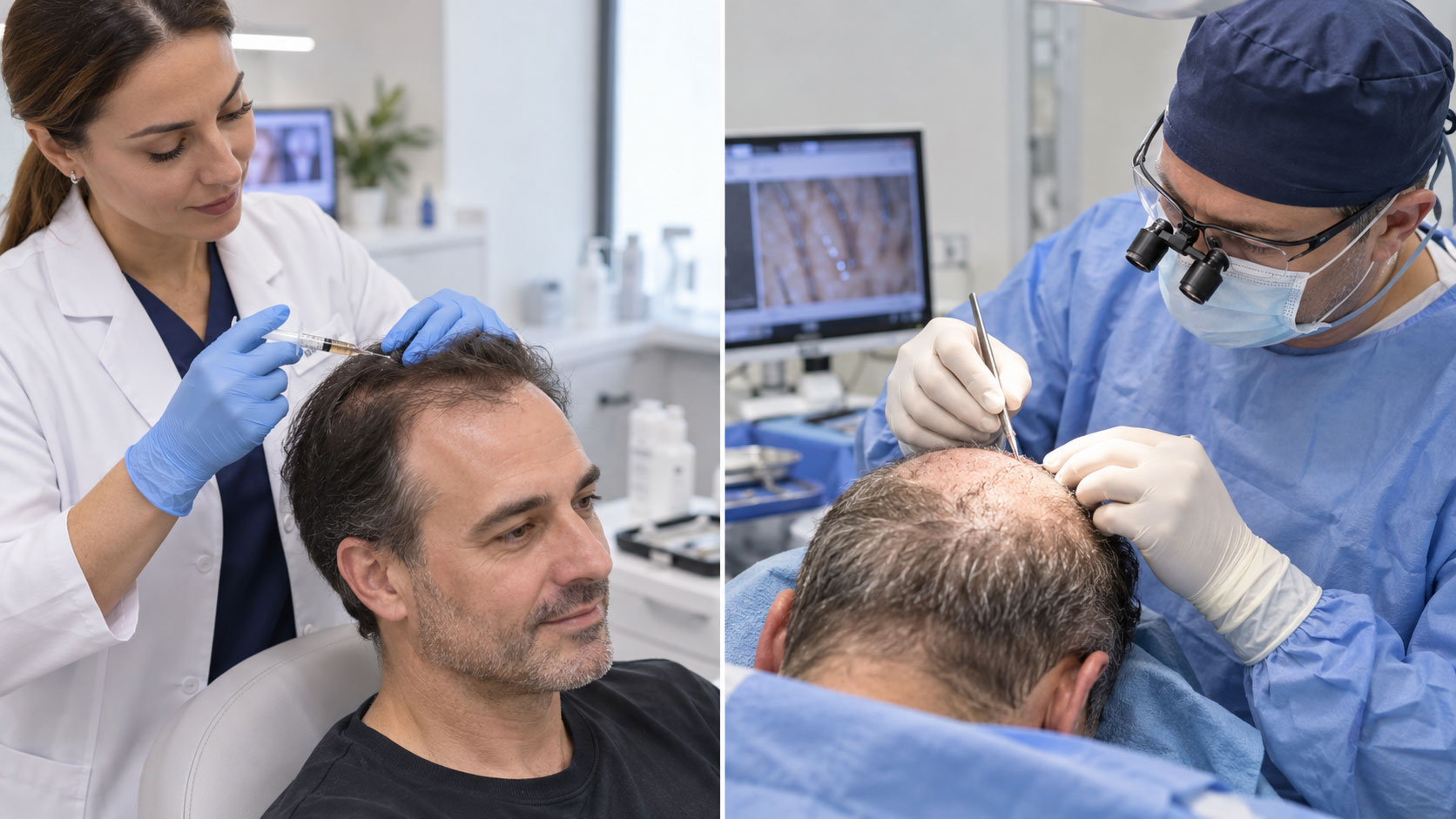
Choosing a stem cell hair restoration clinic in San Diego usually starts as a price comparison, but AAD emphasizes that effective hair loss treatment begins with finding the cause since no single approach works for everyone. FDA warns that regenerative products, including stem cell and exosome products, are regulated and generally require FDA approval. That makes transparency about product source, regulatory status, and provider credentials essential when you evaluate clinics. A strong clinic assesses candidacy, explains treatment scope, discloses pricing components, provides realistic timelines, and offers accessible local follow-up instead of pushing a one-size-fits-all package.
Key Takeaways
- Effective hair restoration starts with identifying the underlying cause of hair loss before selecting a treatment plan.
- Request a full treatment-series quote that covers consultation, sessions, materials, follow-up, and maintenance rather than single-session pricing.
- Verify provider credentials, medical licensing, and who performs consultations and procedures to confirm qualified oversight.
- Ask clinics to explain product source, FDA regulatory status, and realistic timelines without guarantees or exaggerated claims.
- Choose a local clinic that offers accessible follow-up, written treatment plans, and transparent communication about candidacy and outcomes.
Below, you’ll find the questions that separate a careful clinic from a sales-driven one: how candidacy is assessed, what a full quote should include, which credentials matter, how regulatory status should be explained, and what follow-up looks like after the first session. We also cover the warning signs worth walking away from before you book stem cell hair restoration in the San Diego area.
Stem Cell Hair Restoration Clinic in San Diego: What the Treatment Involves
Stem cell Biologics hair restoration refers to non-surgical regenerative treatments intended to support hair follicle health and improve hair fullness. FDA says regenerative medicine products include stem cell products and exosome products, and these are regulated to protect patient safety and treatment integrity.
Non-Surgical Regenerative Hair Treatments
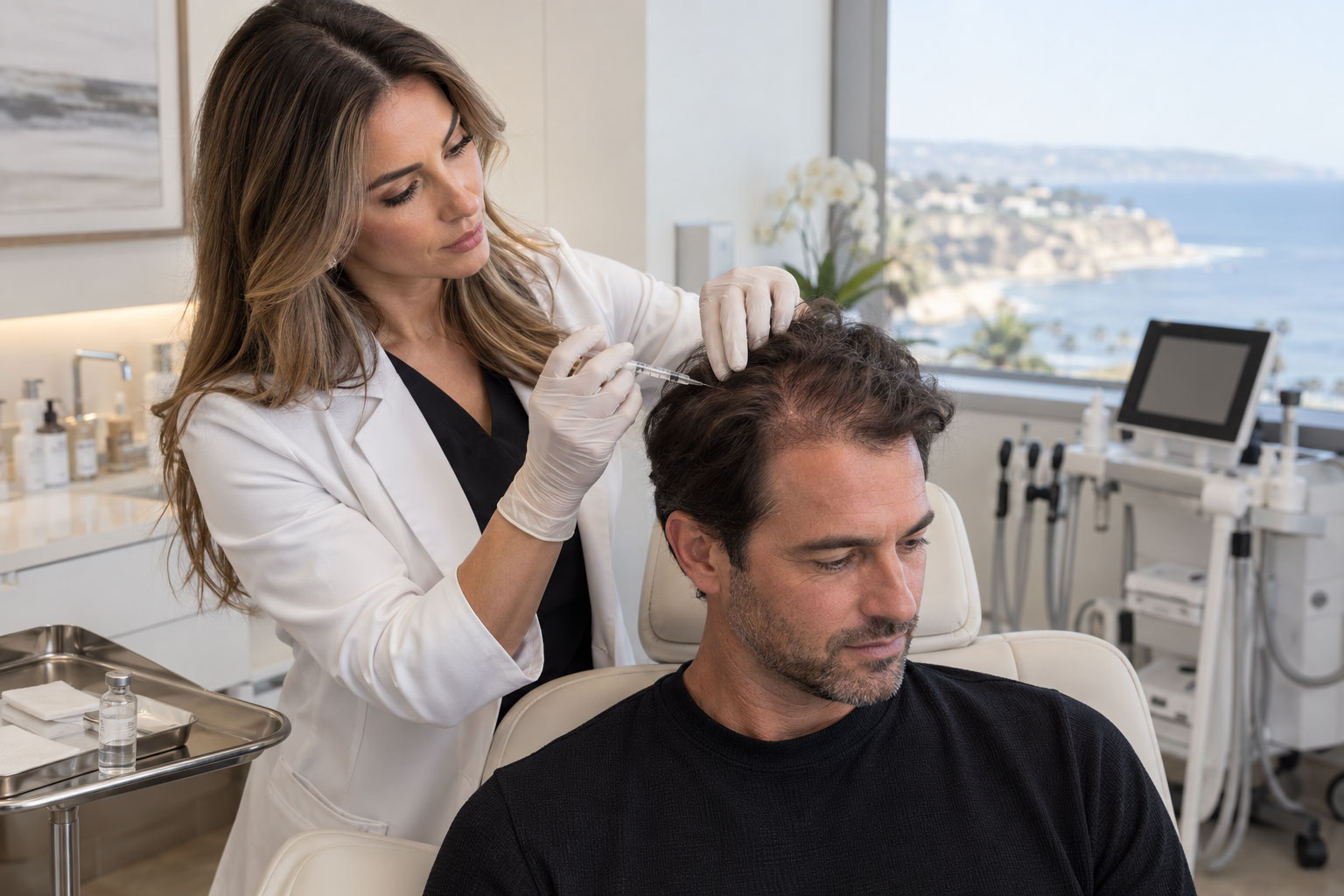
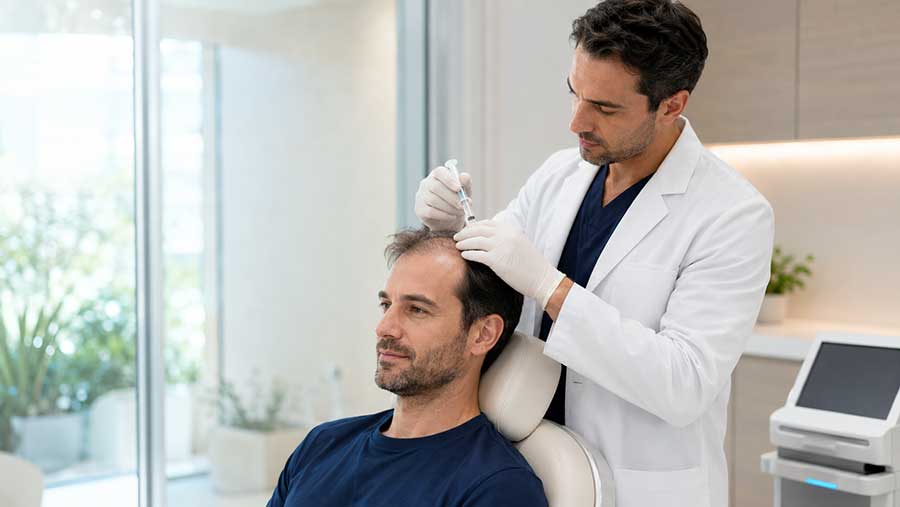
Regenicel Aesthetics describes a treatment that supports dormant-follicle function with little or no downtime, positioning it as an alternative to invasive transplant surgery. Most procedures involve minimally invasive injections or topical applications that encourage natural follicle activity and hair quality over several months. Clinics that work in this field often apply the same regenerative approach to facial hair through eyebrow and beard treatment, which targets sparse or patchy growth in smaller areas.
Common Causes of Hair Loss Affecting Treatment Choice
Hair loss can stem from hereditary pattern loss, alopecia areata, shedding after illness or surgery or weight loss, scalp inflammation, nutritional deficiency, hormonal imbalance, infection, styling damage, or multiple overlapping causes. AAD states effective hair loss treatment begins with finding the cause, meaning accurate diagnosis is the foundation for choosing the right clinic and approach.
Expected Timelines and Outcomes of Stem Cell Hair Restoration
Regenicel Aesthetics states most clients require a series of three treatments spaced about one month apart. Many Regenicel clients report improvements in hair fullness or quality within a few months, with average visible results around six to nine months and full results at twelve months. The table below shows how that timeline usually unfolds, which gives you a benchmark to compare against what any clinic promises.
| Stage | What Happens | Typical Timeframe |
|---|---|---|
| Consultation and candidacy review | Scalp assessment, medical history, and a written treatment plan | Before treatment begins |
| Treatment series | Three sessions spaced roughly one month apart | Months 1 to 3 |
| Early change | Reduced shedding and improved hair quality reported by many clients | Months 2 to 4 |
| Visible results | Noticeable change in density and fullness on average | Months 6 to 9 |
| Full results | Final assessment of density and planning for maintenance | Around month 12 |
Individual response varies with genetics, health, and the cause of hair loss. No clinic should present these ranges as a guarantee.
Stem Cell Hair Restoration Clinic in San Diego Visits Should Start With Diagnosis, Not Pricing
Responsible clinics evaluate hair loss causes, scalp health, and medical history before recommending treatment or quoting a price. Skipping diagnosis risks recommending the wrong treatment, wasting money, or missing underlying health conditions that require medical attention instead of cosmetic intervention.
How Clinics Evaluate Hair Loss Causes and Patient History
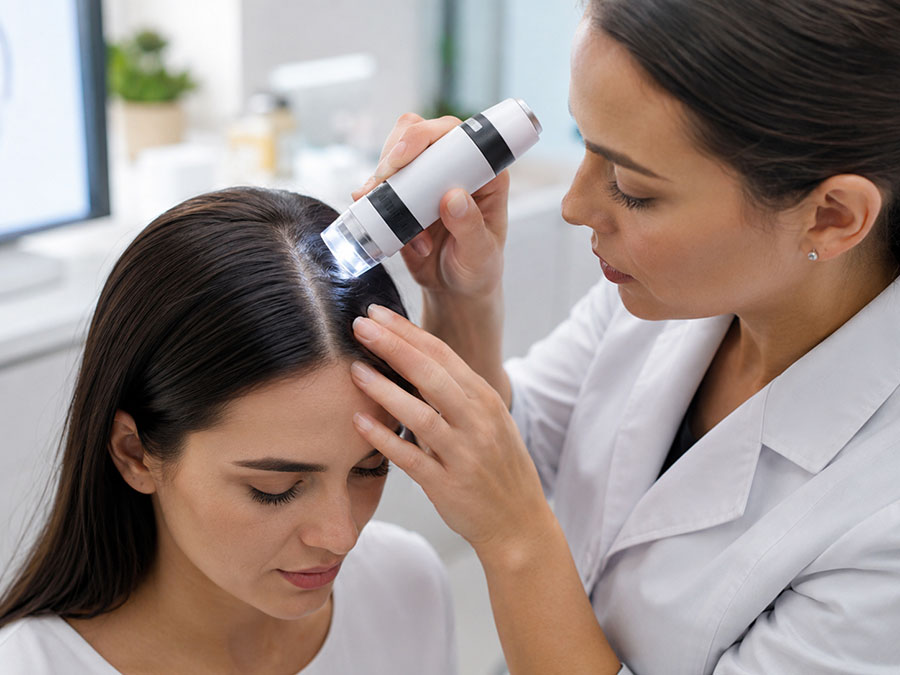
AAD says a dermatologist may ask history questions, examine the scalp, nails, and other hair-loss areas, test hair health, and order a blood test or scalp biopsy when disease, vitamin deficiency, hormone imbalance, or infection is suspected. A complimentary consultation should cover history, scalp condition, the degree and timeline of thinning, medications, health factors, and goals before any plan is quoted.
Diagnostic Procedures and Tests for Accurate Assessment
AAD says dermatologists may perform hair-pull testing when evaluating hair loss to measure shedding rate and follicle health. Additional diagnostic steps may include scalp photography, microscopic hair examination, or lab work to rule out systemic causes.
Identifying Who Is a Good Candidate for Stem Cell Biologics Hair Restoration
Regenicel states many candidates have thinning, shedding, or early-stage hair loss rather than complete baldness. Clinics should clarify who is not a candidate and explain when alternative treatments or medical referrals are more appropriate.
Pricing Transparency Matters More Than the Lowest Advertised Quote
Regenerative hair restoration pricing varies widely, and many clinics do not publish costs online because treatment plans depend on individual candidacy and goals. Evaluating pricing requires understanding what is included in a full treatment series, not just the cost of a single session.
Why Published Prices Are Rare in Regenerative Hair Care
Regenicel’s publicly discoverable site does not list treatment prices or clinician credentials, a common practice in personalized regenerative medicine. Industry data shows public pricing for regenerative hair restoration is often unavailable or highly variable, which makes consultation-based quotes the norm.
Key Pricing Components to Clarify Before Booking
A quote is only useful if you know what sits inside it. Use the questions below to compare clinics on the same terms.
| Pricing Component | Question to Ask the Clinic |
|---|---|
| Consultation fee | Is the initial assessment complimentary, and is it credited toward treatment? |
| Number of sessions | How many sessions does the recommended plan include? |
| Product and materials | What product is used, and is its cost inside the quoted figure? |
| Injection or application fee | Is the procedure fee separate from the product fee? |
| Follow-up visits | Are progress checks included, and how many? |
| Photos and scalp analysis | Is baseline documentation part of the plan or billed separately? |
| Maintenance | How often are maintenance sessions needed, and what do they cost? |
| Combination treatments | Are add-on therapies quoted separately? |
| Financing | Are payment plans available, and on what terms? |
| Written terms | Will the quote be provided in writing, and how long does it hold? |
Ask directly whether the quoted price covers the full recommended plan or only the initial treatment.
How to Compare Full Treatment Plans Versus Single Sessions
Comparing single-session pricing across clinics can mislead you if one clinic quotes a standalone session and another quotes a complete three-treatment series. Ask each clinic for a total-series estimate, maintenance frequency, and what happens if additional sessions are needed beyond the initial plan.
How to Vet Provider Credentials and Clinical Oversight
Provider credentials, medical licensing, and clinical oversight directly affect treatment safety and outcome quality. You should know who evaluates candidacy, who performs treatment, and who manages complications before committing to any regenerative procedure.
Qualified Providers for Consultations and Treatments
ISHRS says properly trained and licensed physicians, and, where allowed, physician assistants or nurse practitioners practicing within the scope of licensure, should perform key aspects of hair restoration such as diagnostic consultation, procedure planning, and management of medical issues. Even non-surgical regenerative treatments involve medical decisions, product handling, injection technique, and adverse-event management that require qualified oversight.
Medical Licenses and Credentials That Matter
Ask whether the clinic is led by a board-certified physician and whether the provider performing injections holds a medical license or works under physician supervision. Credentials in dermatology, plastic surgery, or regenerative medicine add clinical depth and accountability. A clinic’s about page should name who leads the practice and what training the team holds, and a clinic that cannot answer that question in a consultation has told you something useful.
The Role of Supervision and Handling of Complications
ISHRS warns that even minimally invasive hair restoration procedures require medical expertise and clinical decisions. ISHRS also warns that unlicensed personnel can jeopardize outcomes, which makes qualified supervision and clear escalation protocols patient-safety essentials.
Regulatory Status and Evidence Standards Clinics Should Disclose
Transparency about FDA regulatory status, product source, and evidence standards helps you separate credible clinics from those making unsupported claims. Understanding regulatory limits prevents unrealistic expectations and protects against misleading marketing.
The FDA Warnings on Stem Cell and Exosome Products
FDA says the only FDA-approved stem cell products in the U.S. consist of blood-forming stem cells from umbilical cord blood, approved for disorders affecting blood production, not other uses. FDA says there are currently no FDA-approved exosome products, and generally all stem cell products require FDA approval.
FDA warns that regenerative products, including stem cell and exosome products, are FDA-regulated, meaning clinics must comply with federal oversight. FDA encourages consumers and health professionals to report adverse events related to regenerative products to MedWatch.
How Clinics Should Explain Product Source and Regulatory Status
FDA says exosome products intended to treat diseases or conditions generally require FDA approval, and there are currently no FDA-approved exosome products. Clinics should clearly state whether their treatment is marketed for cosmetic support or as a medical therapy, what product is used, and whether it is autologous, donor-derived, or synthetic.
Differentiating Cosmetic Support from Medical Claims
Responsible clinics distinguish between supporting follicle health as a cosmetic goal and claiming to cure or medically treat hair-loss diseases. Be cautious of clinics guaranteeing regrowth, curing alopecia, or reversing hereditary baldness without evidence or FDA clearance.
Local Access and Follow-Up Care Shape Long-Term Satisfaction
Local access, same-day return to routine, realistic follow-up schedules, and clinic transparency about location and contact are practical factors that affect long-term treatment satisfaction. San Diego readers benefit from choosing a clinic they can visit conveniently for initial sessions, follow-ups, and maintenance.
Importance of Accessibility and Same-Day Routine Return
Most regenerative hair treatments require little or no downtime, allowing patients to return to work and activities immediately. Choosing a local clinic reduces travel burden across a multi-session treatment series and keeps support accessible if questions or concerns arise between visits.
Realistic Timelines and Follow-Up Care to Expect
AAD states the PRP procedure takes about ten minutes. AAD states many PRP patients return monthly for three months and then every three to six months, a schedule similar to other regenerative hair treatments that require repeat sessions to maintain results.
Assessing Clinic Transparency About Location and Contact
Regenice Aesthetic’s location is La Jolla Wellness Center, 8950 Villa La Jolla Suite B115, La Jolla, CA 92037, with phone +1 858-758-1573. Clinics that publish their address, phone, email, and clear contact options demonstrate accountability and make follow-up coordination easier.
Red Flags and Warning Signs to Watch For
Recognizing red flags helps you avoid clinics that prioritize sales over patient safety and realistic outcomes. Common warning signs include vague credentials, pressure tactics, and no candidacy screening.
Vague Provider Credentials or No Candidacy Screening
Clinics should assess whether a patient is a good candidate before accepting payment. The signals below are worth treating as reasons to pause and ask more questions.
| Warning Sign | Why It Matters |
|---|---|
| Guaranteed regrowth | Individual response varies, so a guarantee signals marketing ahead of medicine |
| Vague provider credentials | You cannot confirm who is making the medical decisions |
| Unclear product or source | Product origin affects both safety and regulatory standing |
| Pressure discounts | Same-day offers push a decision before diagnosis is complete |
| No candidacy screening | Treatment may be sold to someone unlikely to respond to it |
| No discussion of FDA status | Regulatory silence often sits alongside unsupported claims |
| No written treatment plan | Verbal promises leave no record of sessions, cost, or follow-up |
Guarantees of Results or Lack of Written Treatment Plans
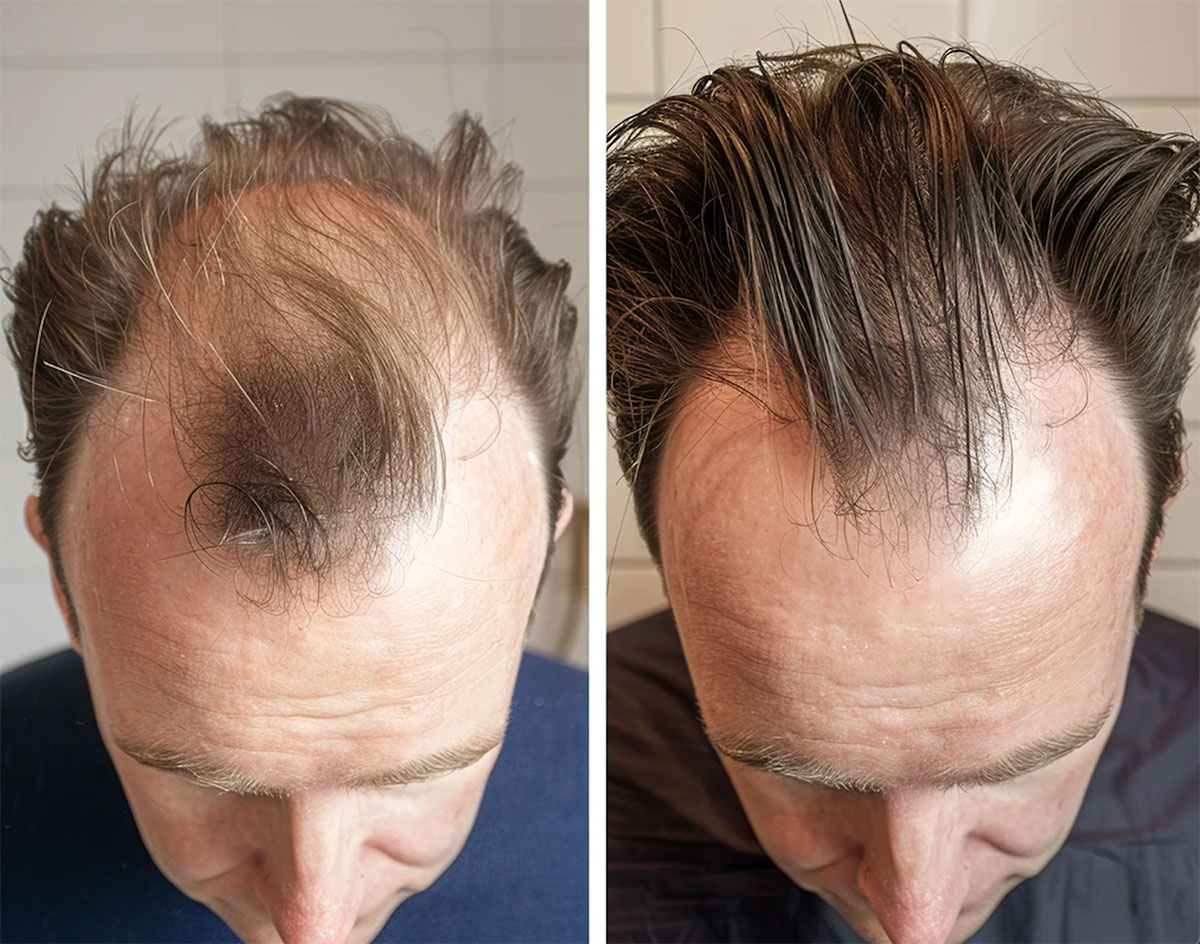
No clinic can guarantee hair regrowth because individual response varies based on genetics, health, and hair-loss cause. Request a written treatment plan specifying sessions, timeline, product, cost, and follow-up before signing any agreement, and review documented before-and-after results to see what the clinic’s own outcomes actually look like.
Pressure Discounts and Unclear Product or Pricing Details
Pressure to book same-day or claims of limited-time discounts often signal sales tactics over medical decision-making. Clinics should give you time to review options, seek second opinions, and verify credentials without urgency or penalties.
Informed Vetting and Transparent Communication Lead to a Confident Choice
The right stem cell hair restoration clinic San Diego readers choose will be the one that aligns with their hair-loss cause, budget, safety expectations, and follow-up needs rather than the clinic with the lowest advertised price. Clinic selection criteria for hair loss treatment should include diagnosis before pricing, provider credentials, regulatory transparency, realistic timelines, written treatment plans, and accessible local follow-up. Reputable stem cell therapy providers explain candidacy openly, disclose FDA regulatory status, and answer pricing questions without pressure or vague responses. Patient reviews can provide insight, but verify that testimonials are detailed, consented, and relevant to your specific hair-loss pattern and goals.
Prepare for consultations by listing your hair-loss history, health conditions, medications, prior treatments, and realistic goals. Bringing these details helps clinics assess candidacy accurately and recommend personalized plans. Additional questions to ask include what happens if treatment does not work, whether maintenance is required, how progress is measured, and what refund or retreatment policies exist. A clinic’s FAQ page is a reasonable place to start, though the consultation is where candidacy is actually decided.
Book Your Complimentary Consultation With Regenicel Aesthetics
Regenicel Aesthetics offers complimentary consultations at La Jolla Wellness Center to evaluate candidacy, explain treatment plans, and answer questions about timelines, pricing, and expected outcomes. The clinic’s non-surgical, personalized approach suits busy professionals and wellness-focused individuals who want natural-looking hair improvement with minimal disruption to their routine. You will leave the consultation knowing whether you are a candidate, what a full treatment series would involve, and what it would cost, in writing.
Call Regenicel Aesthetics at +1 858-758-1573 or request your consultation and quote online. The team serves La Jolla and the wider San Diego area, and appointments are available for both initial assessments and follow-up care.
Frequently Asked Questions About Stem Cell Hair Restoration in San Diego
Most San Diego clinics do not publish prices because the plan depends on candidacy, the degree of thinning, and how many sessions are recommended. Expect a consultation-based quote rather than a fixed menu price. Ask for the total cost of the full recommended series, including product, follow-up visits, and maintenance, rather than the price of one session. A clinic that puts that figure in writing makes side-by-side comparison far easier.
FDA says the only FDA-approved stem cell products in the United States are blood-forming stem cells from umbilical cord blood, approved for disorders affecting blood production. FDA also says there are currently no FDA-approved exosome products. Clinics should state plainly whether their treatment is offered as cosmetic support rather than an approved medical therapy. Treat any claim of FDA approval for hair loss as a reason to ask for documentation.
Regenicel Aesthetics states most clients require a series of three treatments spaced about one month apart. Many clients report improvements in hair fullness or quality within a few months. Average visible results appear around six to nine months, with full results at roughly twelve months. Individual response varies with genetics, health, and the cause of hair loss, so no timeline should be treated as a promise.
Regenicel Aesthetics states that many candidates have thinning, shedding, or early-stage hair loss rather than complete baldness. Follicles that are dormant rather than gone tend to respond better to regenerative stimulation. A clinic should also explain who is not a candidate and refer you for medical evaluation when a condition such as thyroid imbalance, nutritional deficiency, or scarring alopecia is suspected. Candidacy is assessed during the consultation, before any pricing conversation.
Ask who performs the consultation and the treatment, and what license that person holds. Ask what product is used, where it comes from, and how the clinic describes its regulatory status. Ask for the full treatment-series cost in writing, including follow-up and maintenance. Finally, ask what happens if the treatment does not produce the expected change and whether additional sessions carry an added cost.